A few years ago, if you told someone your doctor suggested massage therapy, they might have raised an eyebrow.
Today?
It’s becoming surprisingly common.
Patients leave medical appointments with advice like:
“Try massage for that neck tension.”
“Massage might help with your stress levels.”
“You could benefit from regular bodywork.”
Not as a luxury.
Not as a spa treat.
But as part of a practical wellness plan.
So, what changed?
Why are doctors recommending massage therapy more than ever?
Let’s break it down.
Table of Contents
- Key Takeaways
- The World Got Faster - And Heavier
- The Nervous System Connection (In Simple Terms)
- Pain Is Increasing - And People Want Safer Options
- Mental Health Awareness Changed Everything
- Office Workers Are Feeling It the Most
- Preventive Care Is the New Priority
- Why This Trend Will Continue
- So, Should You Consider It?
- FAQs
Key Takeaways
- Doctors are recommending massage therapy more than ever due to rising stress and muscle tension.
- Massage supports the nervous system by encouraging relaxation responses.
- It may help ease common neck, shoulder, and back discomfort linked to modern work habits.
- It fits into preventive wellness strategies rather than reactive treatment models.
- Massage is considered complementary support, not a substitute for medical care.
The World Got Faster - And Heavier
Modern life looks different than it did 20 years ago.
You sit more.
You scroll more.
You sleep less.
You stress more.
Long work hours. Constant notifications. Financial pressure. Digital overload.
Your nervous system rarely gets a break.
Doctors are seeing the effects every day:
- Chronic neck tension
- Tight shoulders
- Lower back discomfort
- Sleep complaints
- Anxiety symptoms
- Burnout
The common thread?
Persistent stress.
Massage therapy is being recommended more often because it directly targets one of the biggest modern health issues: chronic stress.
The Nervous System Connection (In Simple Terms)
Here’s something important most people don’t realize:
Stress isn’t just mental. It’s physical.
When you're under pressure, your body shifts into “fight or flight” mode. Heart rate increases. Muscles tighten. Breathing becomes shallow.
This response is helpful short term.
But when it stays “on” for weeks or months?
That’s when problems begin.
Massage therapy supports the opposite state — your “rest and restore” mode (parasympathetic nervous system).
Research suggests massage may:
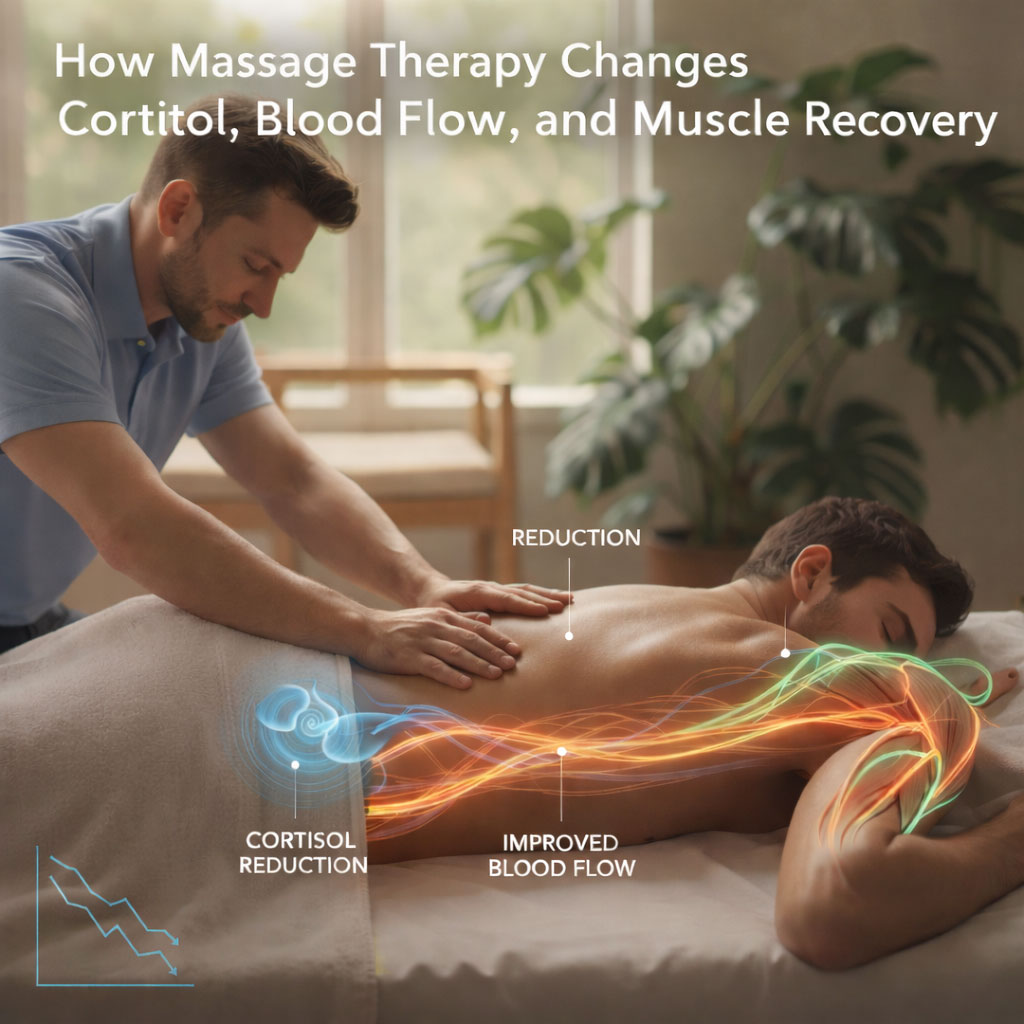
- Lower stress hormone levels like cortisol
- Encourage relaxation responses
- Improve sleep quality
- Reduce muscle guarding (constant unconscious tightening)
It doesn’t “cure” stress.
But it helps your body remember how to relax.
That matters more than people think.
Pain Is Increasing - And People Want Safer Options
Doctors are also seeing a steady rise in musculoskeletal complaints.
Back pain is one of the most common reasons people visit healthcare providers worldwide.
But here’s the shift:
Patients increasingly want non-invasive options first.
Before aggressive interventions.
Before long-term medication use.
Massage therapy offers:
- Improved circulation
- Reduced muscle tightness
- Increased mobility
- Support for recovery after activity
For many everyday tension-related discomforts, structured manual therapy can make a meaningful difference.
It’s supportive.
It’s low risk for most people.
And it fits into conservative care models.
That’s a big reason referral is increasing.
Mental Health Awareness Changed Everything
Over the past decade, conversations about anxiety and burnout have become more open.
Doctors now recognize what research has long shown:
The body and mind are deeply connected.
You can’t fully separate physical tension from emotional stress.
Many patients describe feeling:
- Overstimulated
- Exhausted but wired
- Unable to “shut off”
Massage therapy creates a structured pause.
For 60 minutes, there’s no screen.
No email.
No noise.
Just breath. Stillness. And safe, professional touch.
That pause alone can reset your mental state more than you expect.
It’s not psychotherapy.
It’s not a treatment for mental illness.
But it can support emotional regulation by calming physical stress responses.
That distinction is important and doctors understand it.
If you’re in Toronto and feeling the weight of long workdays and constant digital stress, professional mobile massage therapy may be exactly what your nervous system needs.
Book a session and let your body shift back into balance.
Office Workers Are Feeling It the Most
Let’s talk posture.
You spend hours looking down at your phone.
You hunch forward at a laptop.
You sit 8 to 10 hours a day.
Over time, this creates predictable patterns:
- Tight hip flexors
- Rounded shoulders
- Neck stiffness
- Upper back tension
Doctors are seeing younger patients with complaints that used to appear later in life.
Massage therapy helps interrupt these patterns.
When combined with stretching and movement, it can:
- Improve body awareness
- Reduce stiffness
- Support better posture habits
It doesn’t replace exercise.
Preventive Care Is the New Priority
Healthcare systems globally are shifting focus toward prevention.
Instead of waiting for pain to become severe, the goal is to manage tension early.
Massage therapy supports preventive care by encouraging:
- Regular check-ins with your body
- Early tension awareness
- Stress management habits
- Consistent self-care routines
When people feel subtle tightness early, they’re more likely to adjust posture, stretch, hydrate, and rest appropriately.
That proactive mindset is exactly what modern medicine encourages.
Why This Trend Will Continue
Doctors are not suddenly turning into spa marketers.
They are responding to real trends:
- Rising stress levels
- Increasing sedentary lifestyles
- Growing demand for conservative care
- Greater mental health awareness
- Patient preference for holistic approaches
Massage therapy aligns with all of these shifts.
It’s accessible.
It’s practical.
It’s supportive.
And for many people, it makes everyday life feel more manageable.
So, Should You Consider It?
If you’re constantly tense…
If your shoulders feel tight by 3 PM…
If sleep feels shallow…
If stress feels stored in your body…
It may be worth exploring supportive wellness options that help your system reset.
Massage therapy isn’t about indulgence.
It’s about regulation.
Recovery.
And creating space for your body to shift out of constant alert mode.
That’s why doctors are recommending massage therapy more than ever - not because it’s trendy, but because modern life is demanding more from your nervous system than it was designed to handle.
Ready to Give Your Body a Reset?
If stress and tension are part of your daily routine, it may be time to support your nervous system intentionally.
Professional massage therapy can help you shift out of constant alert mode and back into balance.
Book your session today and experience the difference structured relaxation can make.
FAQs
- Is massage therapy medically prescribed?
Sometimes. In certain cases, doctors may formally recommend it, especially for tension-related discomfort. Often, it is suggested as part of a broader wellness plan. - Can massage reduce stress hormones?
Research suggests massage may lower cortisol levels temporarily and support relaxation responses. - Is massage safe for everyone?
Massage is generally safe for many individuals, but those with certain medical conditions should consult their healthcare provider first. - How often is ideal?
Some people choose monthly sessions for maintenance. Others adjust frequency based on stress, activity level, or discomfort. - Does massage replace medical treatment?
No. Massage therapy is considered complementary support and should not replace medical advice or necessary treatment.
Why Instant Masseuse?
At Instant Masseuse, we focus on helping people understand how massage supports the body and mind not just booking a session. Whether you’re exploring wellness, managing stress, or supporting recovery, having access to on-demand mobile massage makes it easier to care for your body without added friction.
If you’re curious about how massage on demand fits into your routine or want to learn more before taking the next step, we’re always happy to have a conversation and help you decide what makes sense for you.