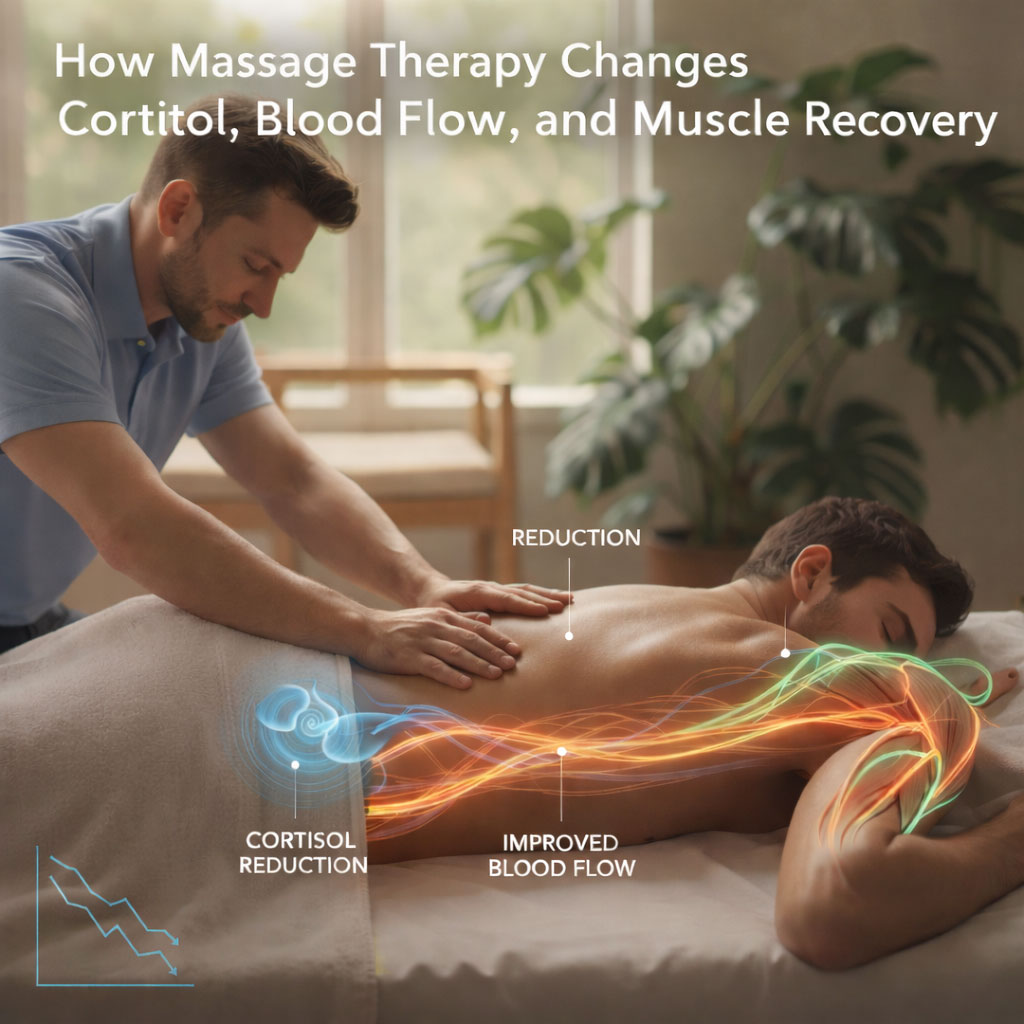
Massage is often viewed as a luxury, but for many people it has become part of a regular wellness and self-care routine. Beyond simple relaxation, massage is commonly associated with stress relief, improved circulation, and muscle comfort.
People dealing with busy schedules, physical tension, or everyday stress often ask the same question: What does massage actually do inside the body?
In this article, we’ll explain - in clear, everyday language - how massage may affect cortisol (the stress hormone), blood flow, and muscle recovery. This is an educational, wellness-focused overview designed to help you understand why massage feels beneficial for so many people. It is not medical advice or treatment.
Table of Contents
- Key Takeaways
- Understanding Cortisol and Stress
- How Massage May Influence Cortisol Levels
- Massage and the Nervous System
- Massage and Blood Flow
- Massage and Muscle Recovery
- How These Effects Work Together
- Summary
- FAQs
Key Takeaways
- Massage is commonly used to support relaxation and stress reduction
- Relaxation may help the body manage cortisol activity
- Massage movements can encourage local blood flow
- Improved circulation may support muscle comfort and recovery
- Massage is a wellness service, not a medical treatment
Understanding Cortisol and Stress
Cortisol is often called the body’s stress hormone. It’s released when your body perceives stress, whether that stress comes from work pressure, physical strain, poor sleep, or emotional tension.
In short bursts, cortisol is helpful. It supports alertness and energy. However, ongoing stress can keep cortisol levels elevated longer than necessary, which many people associate with:
- Muscle tightness
- Fatigue
- Difficulty relaxing
- Feeling mentally overwhelmed
This is why relaxation-based activities are often recommended as part of a balanced lifestyle.
How Massage May Influence Cortisol Levels
Massage encourages the body to move out of a stress-driven state and into a relaxed, calmer state. Gentle pressure, steady rhythm, and a comfortable environment all signal the nervous system to slow down.
Many people report that after a massage they feel:
- More mentally calm
- Less physically tense
- Better able to relax or sleep
While massage is not a medical intervention, its calming effect may help the body temporarily reduce stress responses - including cortisol activity - as part of a wellness routine.
Massage and the Nervous System
One of the key reasons massages feels relaxing is its interaction with the nervous system.
Massage may encourage:
- Slower breathing
- Reduced muscle guarding
- A general sense of physical ease
When the nervous system shifts toward relaxation, the body can move out of “fight-or-flight” mode. This state supports rest, recovery, and overall comfort.
Massage and Blood Flow
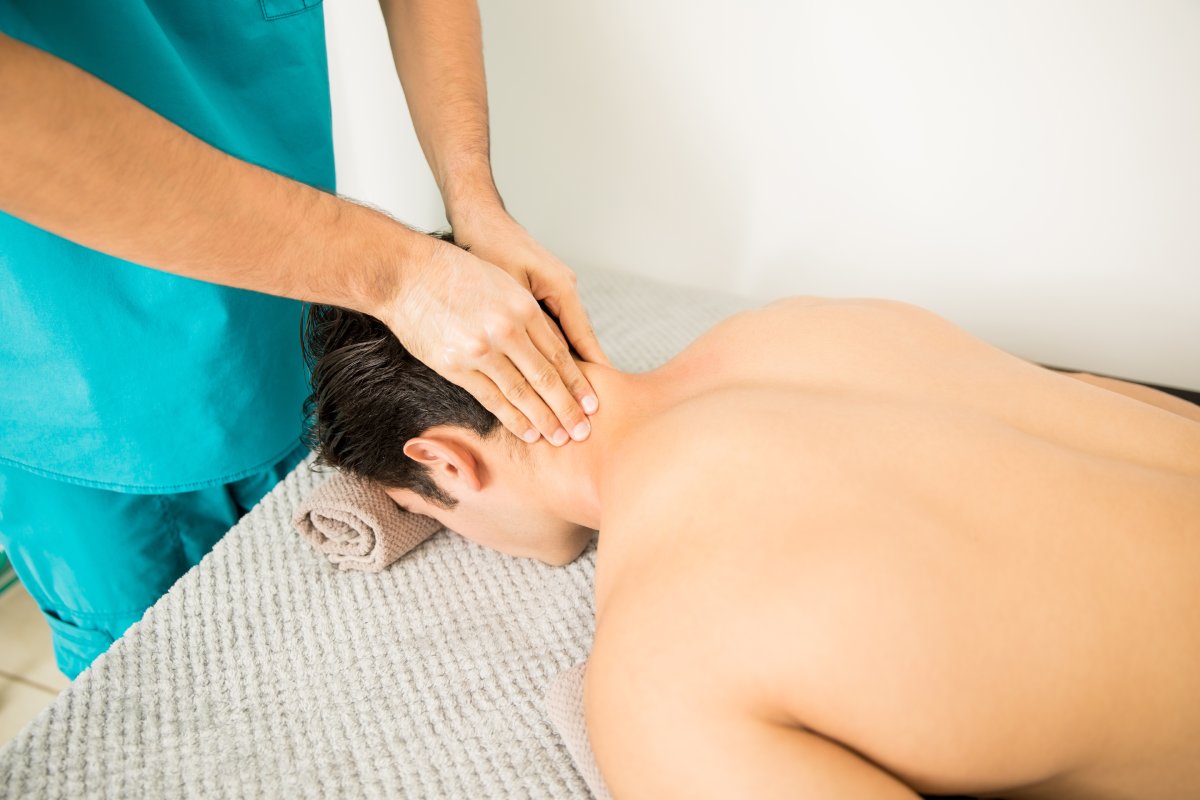
Massage involves controlled pressure and movement applied to muscles and soft tissue. These movements may help encourage local circulation, especially in areas that feel tight or stiff.
Improved blood flow can:
- Support oxygen delivery to muscles
- Help tissues feel warmer and looser
- Assist the body’s natural recovery processes
This is why many people notice a feeling of lightness or improved mobility after a massage session.
Massage and Muscle Recovery
Muscles work hard every day - from sitting too long to physical labor, workouts, or repetitive movements. Over time, muscles can feel tight or overworked.
Massage is commonly used to:
- Reduce muscle stiffness
- Ease tension in overused areas
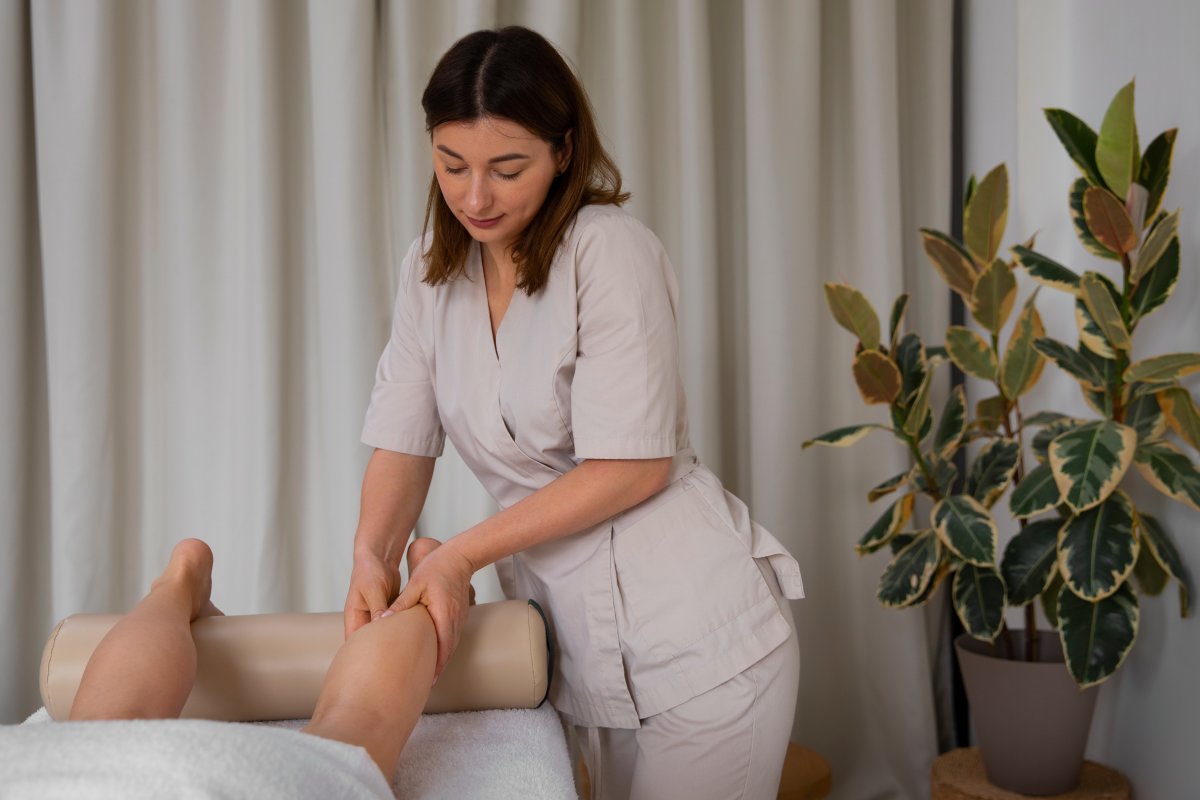
- Support comfort after physical activity
For many people, massage becomes part of a recovery or maintenance routine, along with stretching, hydration, and rest.
How These Effects Work Together
The effects of massage are often interconnected:
- Relaxation may help manage stress hormones like cortisol
- Reduced stress can support better circulation
- Improved circulation may help muscles feel more comfortable
Together, these factors explain why massage is widely used as a whole-body wellness practice, rather than for just one specific benefit.
Summary
Massage does more than help you unwind. By promoting relaxation, encouraging circulation, and easing muscle tension, massage may support how the body handles everyday stress and physical strain.
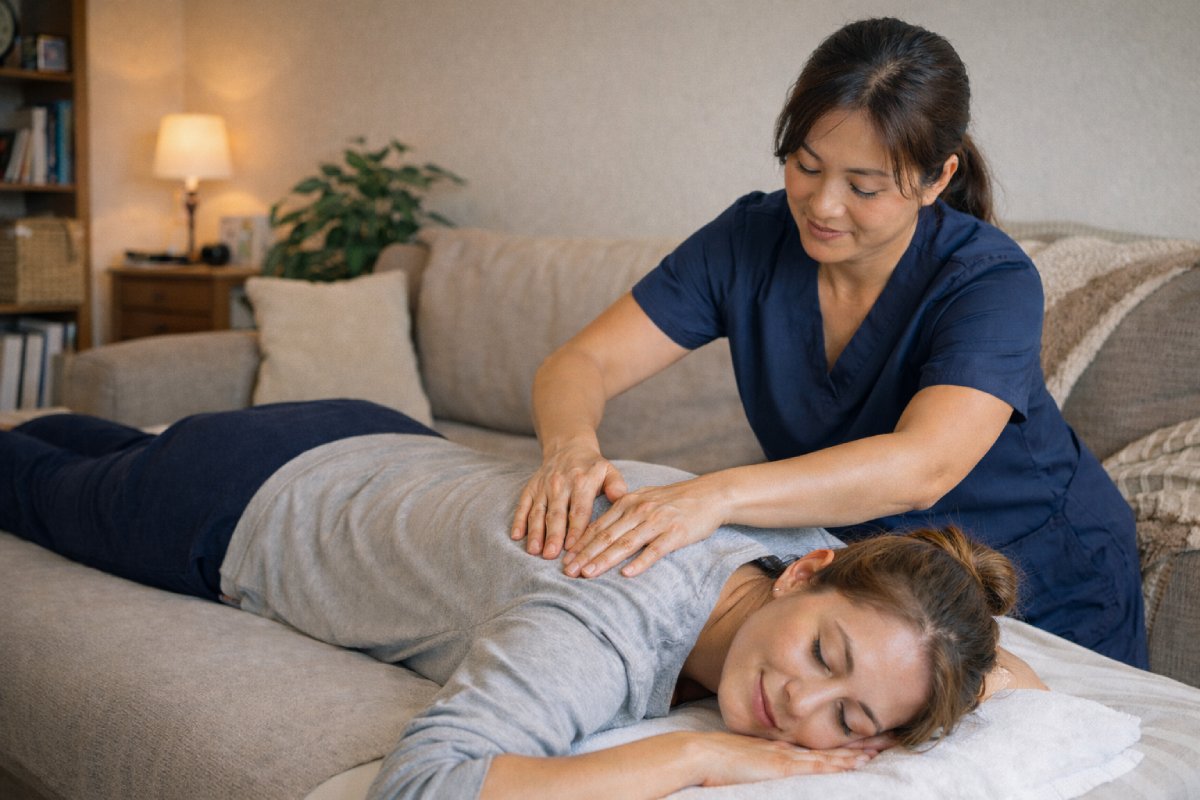
For people with busy lives in Toronto and the GTA, at-home massage services make it easier to include relaxation and recovery without travel or waiting rooms - bringing wellness directly to your space.
FAQs
Does massage therapy reduce cortisol?
Massage may support relaxation, which can help the body manage stress responses such as cortisol release. It is not medical treatment.
How does massage affect blood flow?
Massage involves pressure and movement that may encourage local circulation in muscles and soft tissue.
Is massage helpful for muscle recovery?
Many people use massage to ease muscle stiffness and support comfort after physical activity or long days.
Is massage considered medical care?
No. Massage is generally considered a wellness or relaxation service and does not replace medical treatment.
How often should someone get a massage?
This depends on personal preference. Some people choose weekly or monthly sessions as part of a wellness routine.
Why Instant Masseuse?
Instant Masseuse is about more than booking a massage. We focus on helping people understand how massage can support the body and nervous system, so it becomes part of a thoughtful, ongoing wellness routine-not just a one-time appointment.
Whether you’re managing everyday stress, supporting physical recovery, or simply looking for more convenient ways to care for your body in Toronto and the GTA, on-demand mobile massage removes unnecessary friction. You get the support you need, where you are, without adding extra effort to an already busy schedule.
If you’re exploring whether on-demand massage fits your lifestyle, or you’d like to learn more before taking the next step, we’re always happy to talk. Our goal is to help you make informed choices that genuinely work for you.